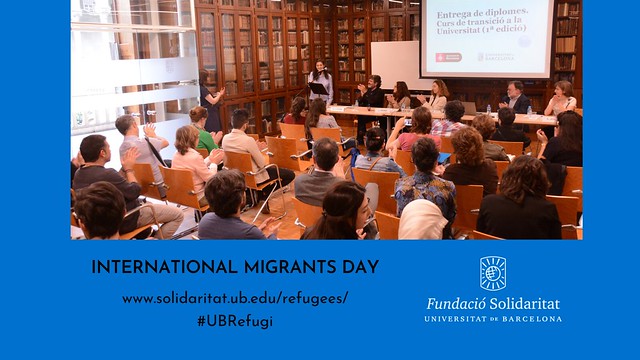
International Migrants Day 2020

Universities have the potential to help building inclusive societies in the era of migration.

This is a joint statement from UNI(di)VERSITY project partners
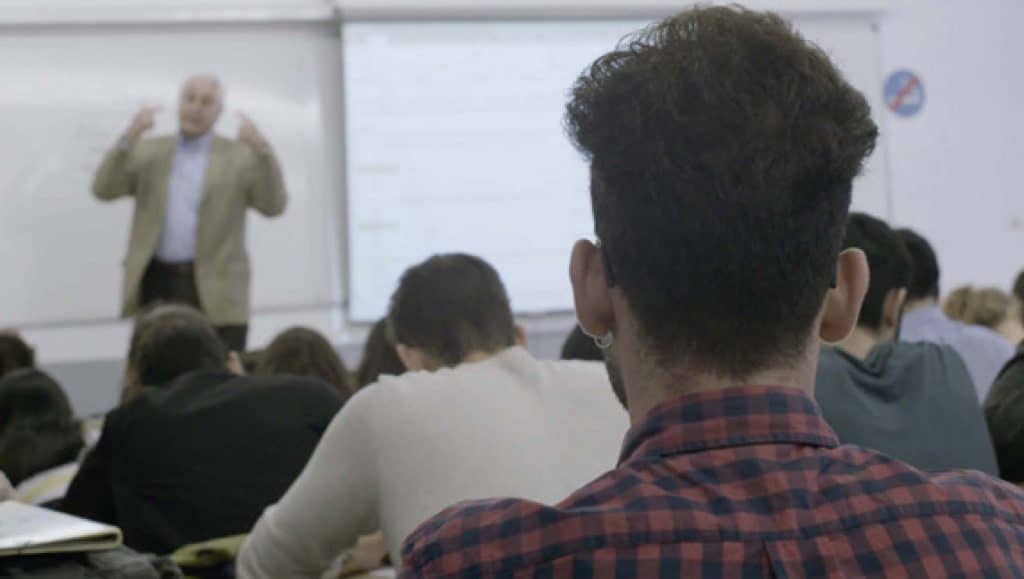
As the world observes International Migrants Day, universities in Europe and globally are struggling to ensure continuity in education, and to build back better when the pandemic ends. In this context, efforts to mitigate the impact of the pandemic on the most vulnerable and socio-economically disadvantaged make the issue of inclusion even higher on the agenda.

Higher Education can play a crucial role in providing solutions to societal challenges. As a matter of fact, since the outbreak of the so-called refugee crisis in 2015, European Higher Education Institutions have made considerable efforts to facilitate access for newcomers, through a constellation of actions in different domains: financial support, admission procedures, recognition of qualifications, language and psychological support, to mention a few.

In a context of increased xenophobia, cultural tensions, and toxic narratives on migrants and migration, European HEIs can act as social agents and help build inclusive societies, as called for in the UN Sustainable Development Goals Targets 10.2 and 4.7.

Building on a thousand-year tradition of international exchanges and openness to the world, universities are well positioned to lead the current societal transition and become the crucible of cosmopolitan societies that value cultural diversity and dialogue.

As recently remarked by the Rome Ministerial Communiqué “strengthening the social dimension of higher education and fostering equity and inclusion to reflect the diversity of society is the responsibility of a higher education system as a whole and should be regarded as a continuous commitment”. However, much remains to be done for universities to fully embrace a 360-degree approach to the phenomenon of migration, that goes beyond immediate initiatives and builds inclusive HEIs and societies, taking responsibility for the important societal challenges facing European countries.

Such approach includes strategic planning for providing equitable access for migrant and refugee students and staff, and reconsidering teaching and research activities, with a view to better serving the needs of increasingly diverse European societies.

Promoting socially-responsible universities in the era of migration implies forming citizens for life in multicultural societies and producing knowledge that is relevant to the societal challenges posed by the migration phenomenon. Building inclusive higher education systems for migrants and refugees is indeed a key aspect of HEIs’ contribution to social inclusion.

As partners in the UNI(di)VERSITY project, we are working to increase knowledge, inspire commitment, sensitise, and empower European HEIs leaders, managers and staff from different structures in relation to migration issues, to act as agents of change in their own institutions and academic community, and throughout Europe.

About UNI(di)VERSITY

UNI(di)VERSITY is a 2-years project focused on supporting EU Higher Education Institutions’ strategic planning towards diversity and inclusion in relation to migration. It is funded by the Erasmus+ programme of the European Union.

About the Support program of the University of Barcelona for refugees

The Support program of the University of Barcelona for refugees and people from conflict areas, coordinated by the UB Solidarity Foundation, is based on the development of a human rights perspective, with two main fields of action: academic support and social integration (scholarships, transition to university course, acommodation, support for language learning and daily life issues, legal advice and psychological assistance), as well as networking and cooperation.

All the European projects in which we take part for the inclusion of migrants in HEI
International Migrants Day 2020


This news is related to the following SDG of 2030 Agenda:

Dia Internacional de les Persones Migrants 2020

Les universitats tenen el potencial d’ajudar a construir societats inclusives en l’era de la migració.

Aquest és un comunicat conjunt dels socis del projecte UNI(di)VERSITY

Mentre el món commemora el Dia Internacional de les Persones Migrants, les universitats a nivell europeu i mundial lluiten per garantir la continuïtat en l’educació i per reconstruir-se quan acabi la pandèmia. En aquest context, els esforços per mitigar l’impacte de la pandèmia sobre les persones més vulnerables i desafavorides socioeconòmicament fan que el tema de la inclusió prengui encara més importància en l’agenda.

L’educació superior pot jugar un paper crucial a l’hora de proporcionar solucions als reptes de la societat. De fet, des de l’esclat de l’anomenada crisi del refugi l’any 2015, les institucions europees d’educació superior (HEIs per les seves sigles en anglès) han fet esforços considerables per facilitar l’accés a les persones nouvingudes, mitjançant una constel·lació d’accions en diferents àmbits: suport financer, procediments d’admissió, reconeixement de qualificacions, suport lingüístic i psicològic, per esmentar-ne algunes.

En un context d’augment de la xenofòbia, les tensions culturals i les narracions tòxiques sobre les persones migrants i les migracions, les HEIs poden actuar com a agents socials i ajudar a construir societats inclusives, tal com es demana a les metes 10.2 i 4.7 dels Objectius de Desenvolupament Sostenible de les Nacions Unides.

Basant-se en una tradició mil·lenària d’intercanvis internacionals i d’obertura al món, les universitats estan ben posicionades per liderar l’actual transició social i esdevenir el gresol de societats cosmopolites que valoren la diversitat cultural i el diàleg.

Com es va assenyalar recentment en el Comunicat Ministerial de Roma, “enfortir la dimensió social de l’educació superior i fomentar l’equitat i la inclusió per reflectir la diversitat de la societat és responsabilitat del sistema d’educació superior en el seu conjunt i s’ha de considerar com un compromís continu”. Tot i això, queda molt per fer perquè les universitats adoptin plenament un enfocament de 360 ​​graus sobre el fenomen de la migració, que vagi més enllà d’iniciatives immediates i construeixi HEIs i societats inclusives, assumint la responsabilitat dels importants reptes socials als quals s’enfronten els països europeus.

Un enfocament d’aquest tipus inclou una planificació estratègica per proporcionar un accés equitatiu a estudiantat i personal migrant i refugiat, i reconsiderar les activitats docents i de recerca, amb l’objectiu de servir millor a les necessitats d’unes societats europees cada vegada més diverses.

Promoure universitats socialment responsables en l’era de la migració implica formar ciutadans i ciutadanes per a la vida en societats multiculturals i produir coneixement rellevant per als reptes socials que planteja el fenomen migratori. La construcció de sistemes d’educació superior inclusius per a persones migrants i refugiades és, de fet, un aspecte clau de la contribució de les HEIs a la inclusió social.

Com a socis del projecte UNI(di)VERSITY, treballem per augmentar el coneixement, inspirar el compromís, sensibilitzar i capacitar els líders, directius i personal de diferents estructures de les HEIs europees en relació a les qüestions migratòries, perquè actuïn com a agents de canvi en les seves institucions i comunitat acadèmica i a tot Europa.

Sobre UNI(di)VERSITY

UNI(di)VERSITY és un projecte de dos anys centrat en donar suport a la planificació estratègica de les institucions d’educació superior de la UE cap a la diversitat i la inclusió en relació a la migració. Està finançat pel programa Erasmus + de la Unió Europea.

Sobre el Programa de suport de la Universitat de Barcelona a persones refugiades

El Programa de suport de la Universitat de Barcelona a persones refugiades i provinents de zones en conflicte, coordinat per la Fundació Solidaritat UB, es basa en el desenvolupament de la perspectiva de drets humans, amb dos camps d’actuació principals: suport acadèmic i a la integració social (beques, curs de transició a la universitat, allotjament, suport per a l’aprenentatge d’idiomes i les qüestions de la vida diària, assessorament jurídic i assistència psicològica), així com treball en xarxa i cooperació.

Tots els projectes europeus en què participem per a la inclusió de persones migrants a l’Educació Superior

International Migrants Day 2020


Aquesta notícia té relació amb els següents ODS de l’Agenda 2030: