
This is an initiative within the framework of the project “Water Resources Management in Visitor Attractions – FIT4USE Water Recirculation Technology”, funded by the European Union through the LIFE program.

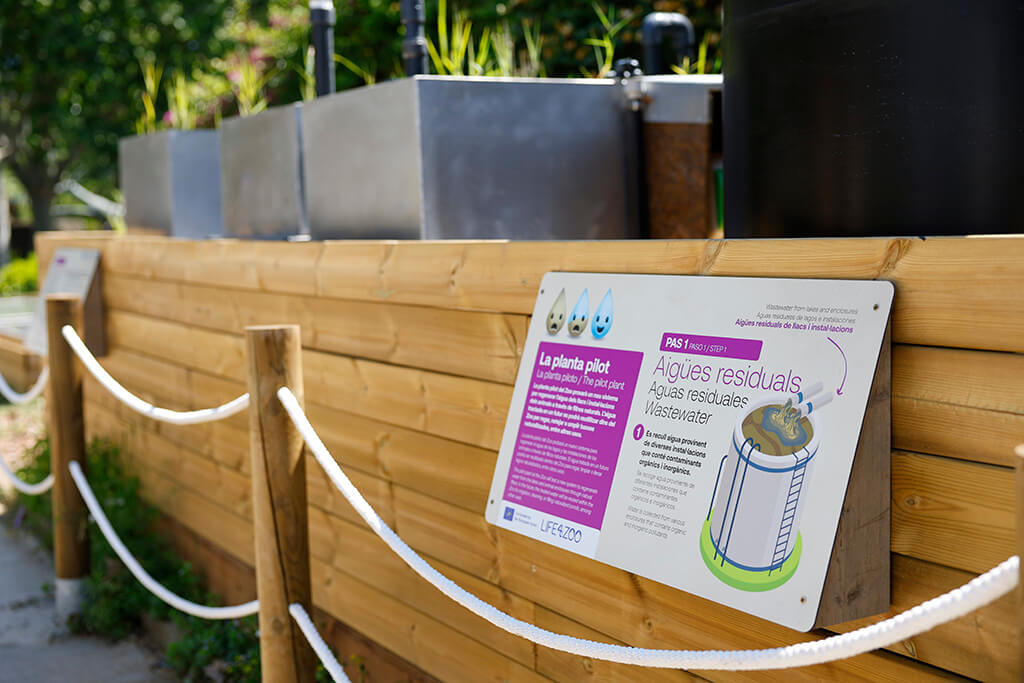


The Barcelona Zoo is launching a pilot plant for water treatment and reuse within the framework of the European LIFE4Zoo project “Water Resources Management in Visitor Attractions – FIT4USE Water Recirculation Technology”. This project, coordinated by the Technical University of Liberec and also involving the University of Barcelona and the University of Girona, with the support of students and young researchers, aims to find solutions for zoos to optimize the use of water, an essential resource in their day-to-day lives.
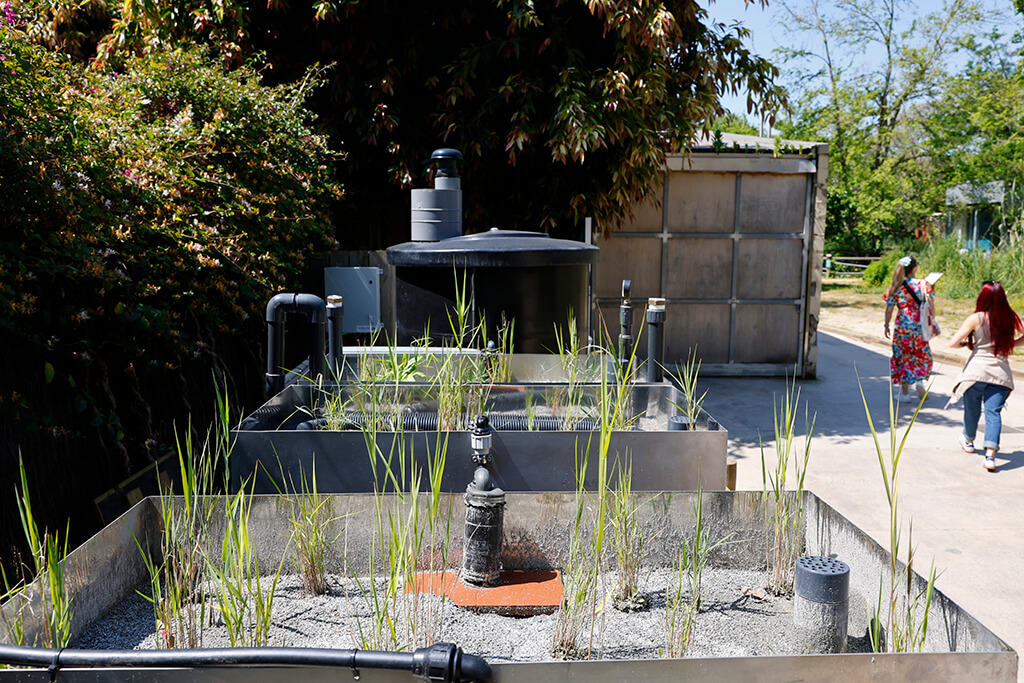
The pilot plant is in front of the Doñana area of the Barcelona Zoo and has a system of natural filters that regenerate water by imitating the functioning of wetlands, retaining particles and eliminating pollutants in a natural way. Specifically, the water passes through a vertical and horizontal circuit of vegetation and substrate that retains particles and eliminates pollutants and pathogens thanks to the combined action of plants, microorganisms and filtering materials. It is, in short, a living and dynamic ecosystem that, over time, increases its purification efficiency and at the same time generates new habitats for biodiversity.
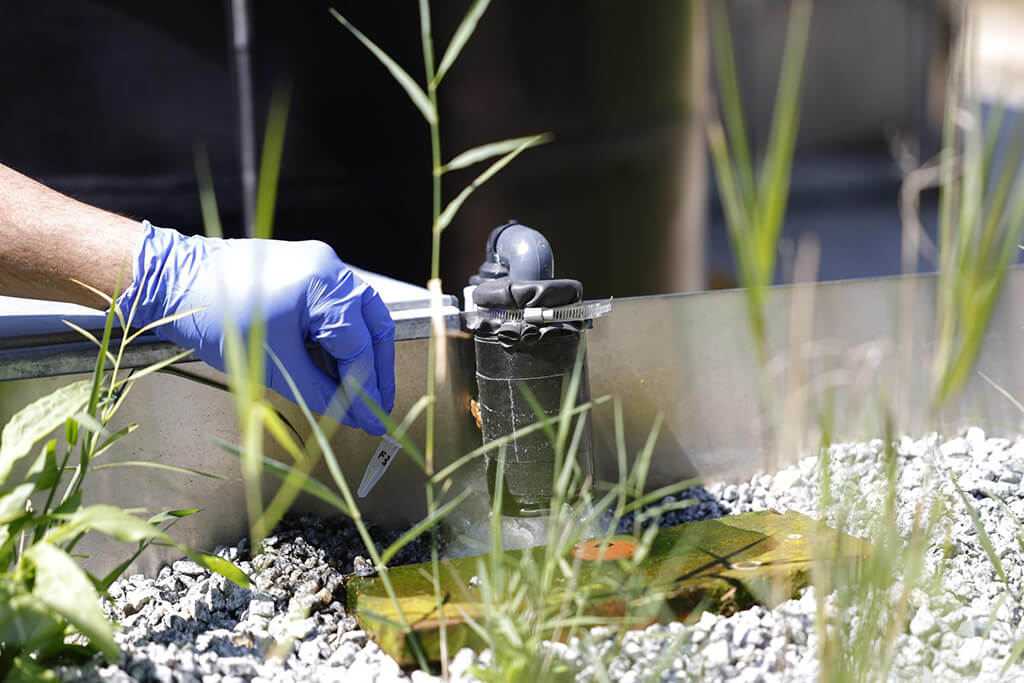
The first tests to regenerate water began at the end of February, with water from the artificial lake at the Barcelona Zoo facility that houses the hippos. Since then, between 2 and 3 cubic meters of water have been treated per week, with very encouraging results, according to the research group driving the project.
During these first weeks, reductions of more than 95% have been recorded in water pollutants such as ammonium, suspended solids and chemical oxygen demand; and even a reduction of more than 99.99% in the bacteria E. coli. These values would allow the water to be reused for the irrigation of green areas, artificial lakes or the cleaning of public spaces.
A circular and sustainable water management project
Soon, this plant will also treat water from the tapir and waterfowl facilities, among others. And the plan is to continue testing for 18 months with the aim of having a model to scale this circular water management project to new spaces at the Barcelona Zoo.
In addition to regenerating water, artificial wetlands like this one, which is now being tested at the Barcelona Zoo, are also spaces for recovering and observing biodiversity and a tool for environmental education on how nature contributes to efficient and sustainable water management.
New meeting of the different institutions involved in the project
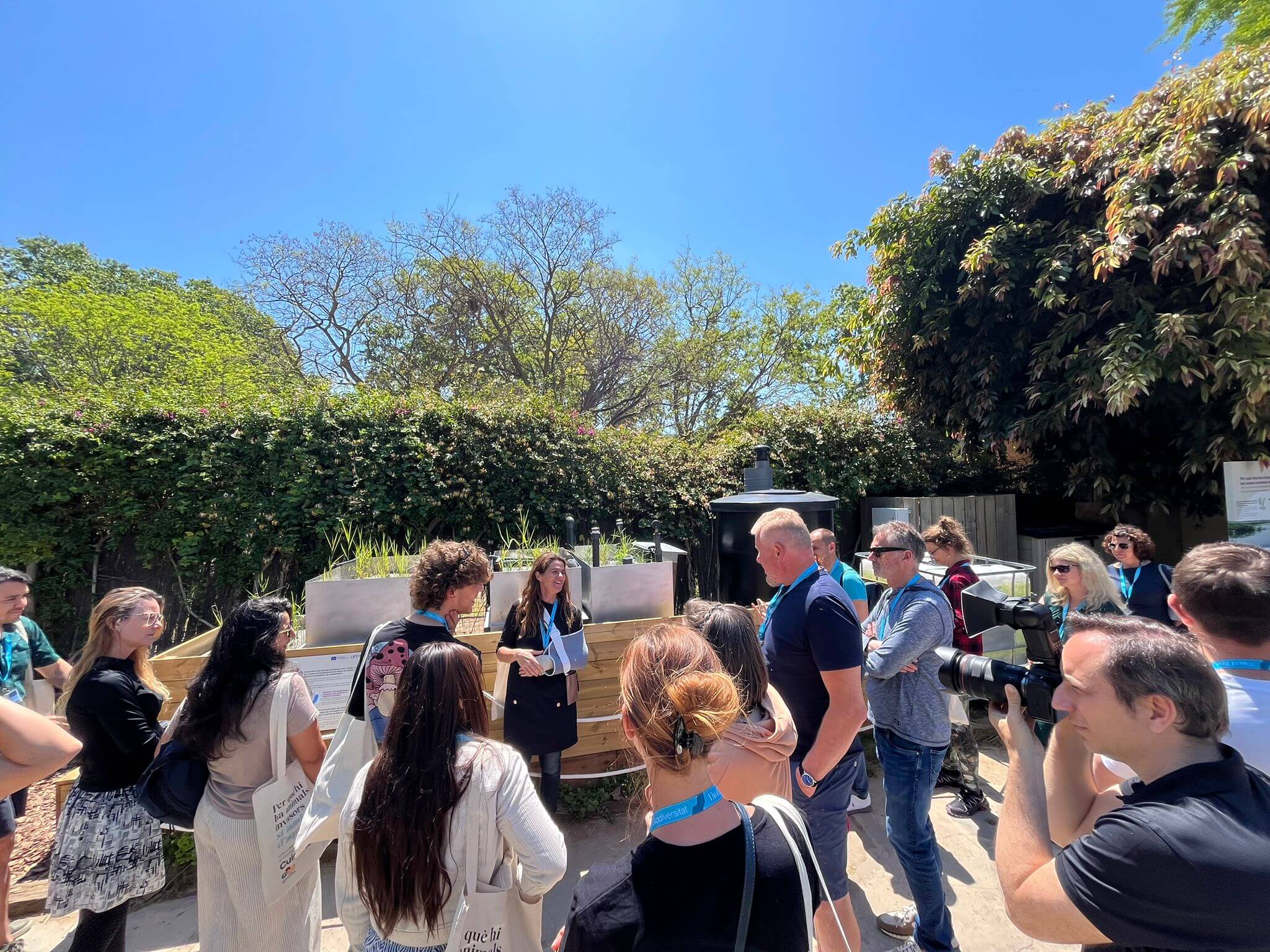
This week, the fourth follow-up meeting of the “Water Resources Management in Visitor Attractions – FIT4USE Water Recirculation Technology” project took place. Representatives of the different institutions involved in the initiative met in Girona and Barcelona and visited the Barcelona Zoo pilot plant.
In addition to the Barcelona Zoo and the Technical University of Liberec, the project involves the Solidarity Foundation of the University of Barcelona; the University of Girona, through the Laboratory of Chemical and Environmental Engineering (Lequia) research group; the Liberec Zoo; the Photon Water Technology group; and a group of experts where the Valencia Bioparc and the Cabárceno Nature Park are represented.
This news is related to the following SDG of 2030 Agenda: